Understanding Antelope's Climate for Optimal Landscaping
For homeowners in Antelope, CA, understanding the local climate is crucial to executing effective landscaping strategies. The Mediterranean climate, characterized by hot, dry summers and mild, wet winters, offers unique challenges and opportunities for landscaping. In 2026, with climate changes leading to more extreme weather patterns, adapting your landscaping practices to seasonal shifts is more important than ever.
Spring: Preparing for Growth
Start with a Soil Test
Before launching into spring planting, conduct a soil test. Knowing your soil’s pH and nutrient levels helps in selecting the right fertilizers and amendments, ensuring your plants have a healthy start.
Choose Native Plant Species
Native plants such as California poppies and ceanothus are well-adapted to Antelope’s climate. They require less water and maintenance, making them ideal for sustainable landscaping.
Plan for Efficient Irrigation
Spring is the perfect time to evaluate your irrigation system. Consider installing smart irrigation controllers that adjust watering schedules based on weather forecasts, conserving water and reducing costs.
Summer: Managing Heat and Drought
Mulching for Moisture Retention
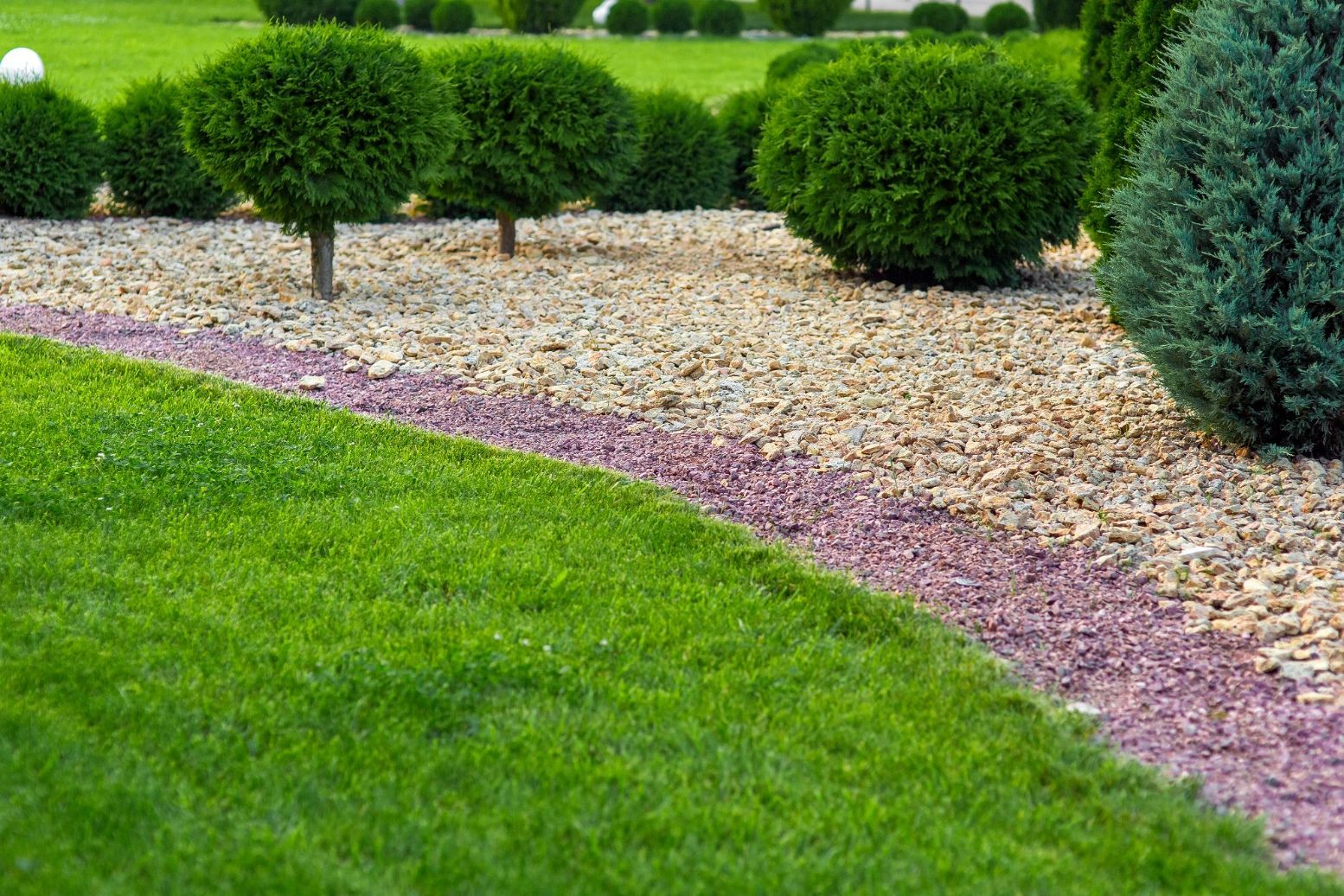
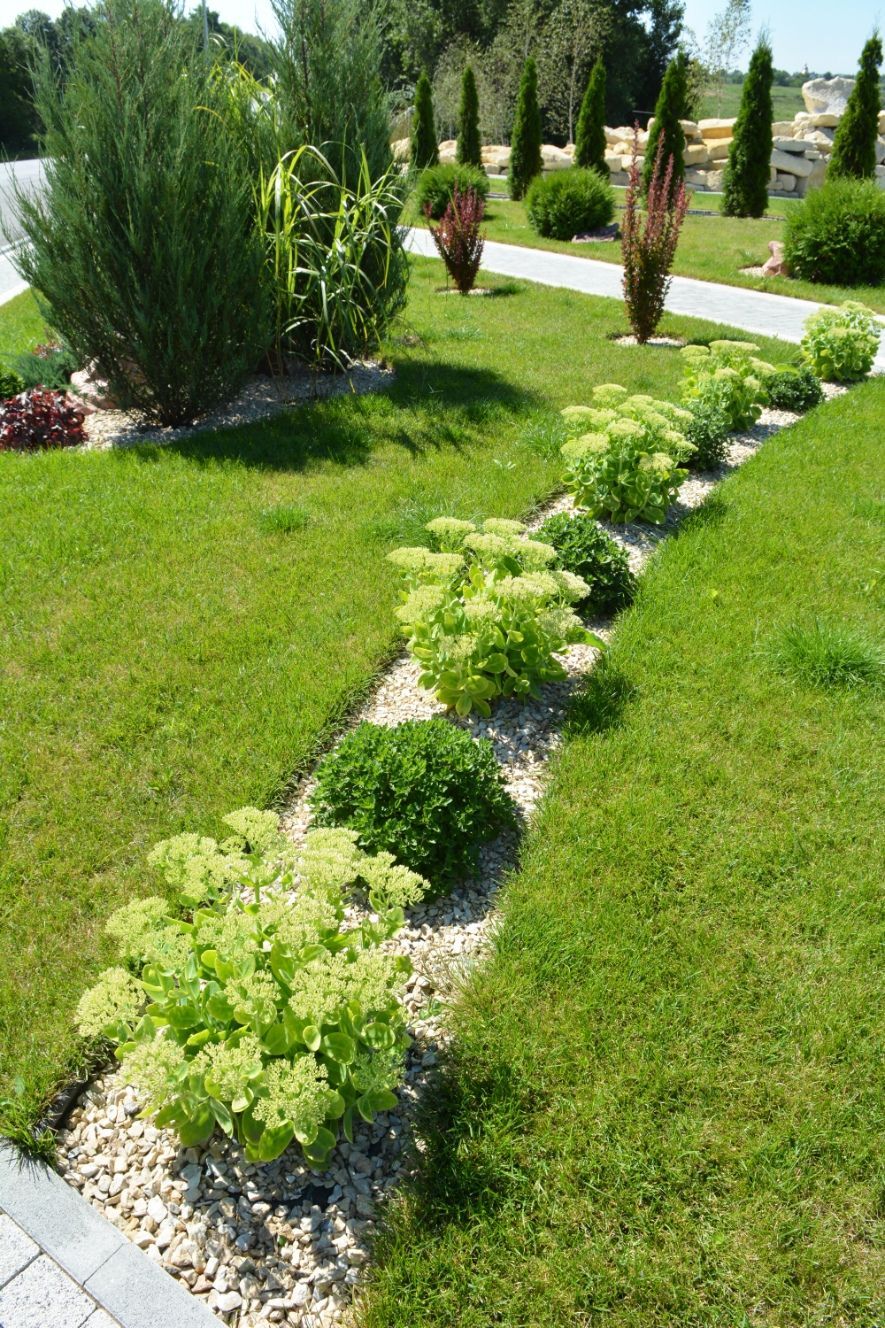
Apply a generous layer of mulch around your plants to lock in moisture and regulate soil temperature. Organic mulches such as bark or shredded leaves are excellent choices, gradually enriching the soil as they decompose.
Opt for Drought-Resistant Plants
With rising temperatures, selecting drought-tolerant plants like succulents and lavender can ensure your garden remains lush without excessive watering.
Shade and Windbreak Structures
Consider installing pergolas or planting fast-growing trees to provide shade, reducing water evaporation and protecting plants from the harsh sun. These structures can also act as windbreaks, shielding delicate plants from drying winds.
Fall: Preparing for Winter Dormancy
Leaf Management
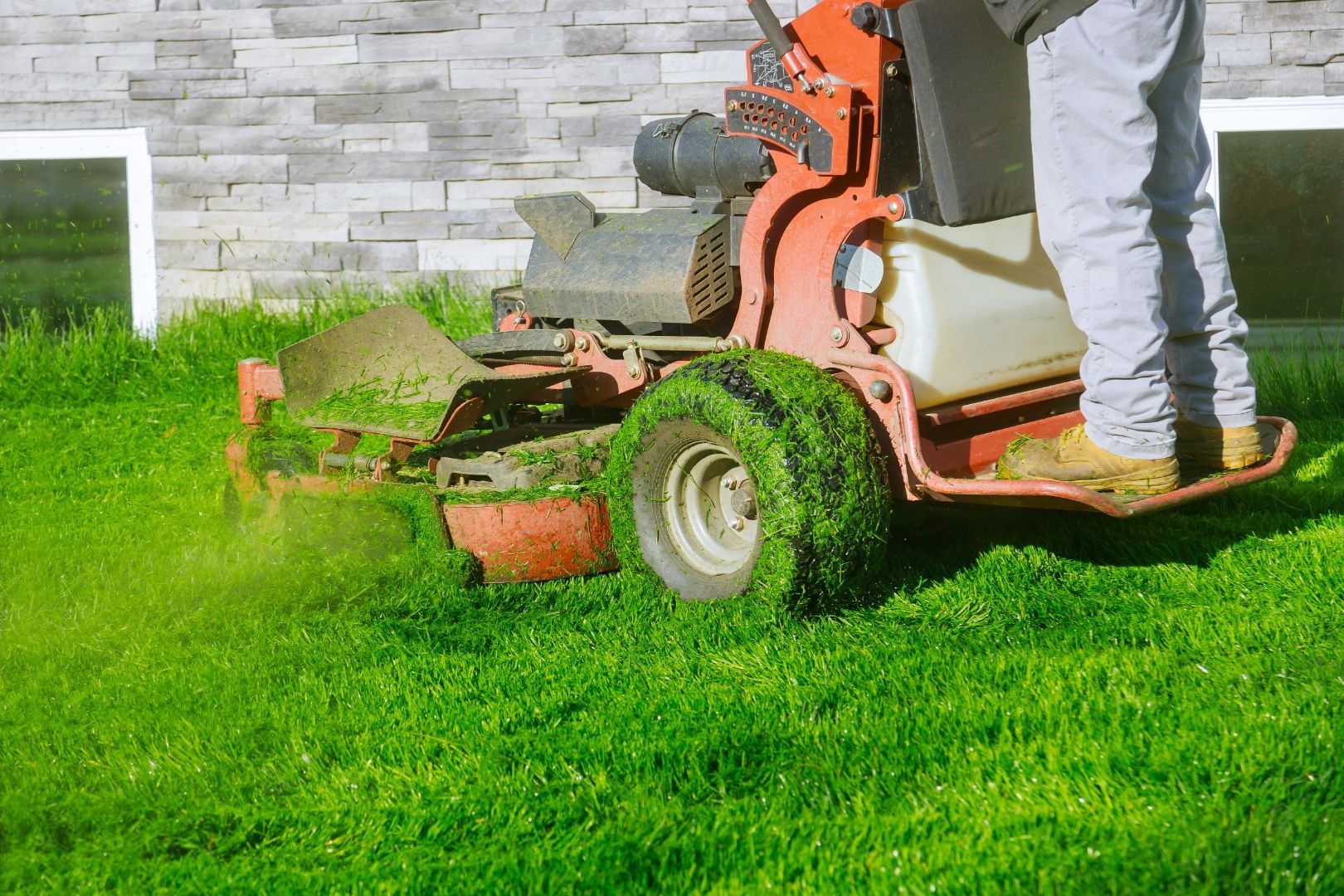
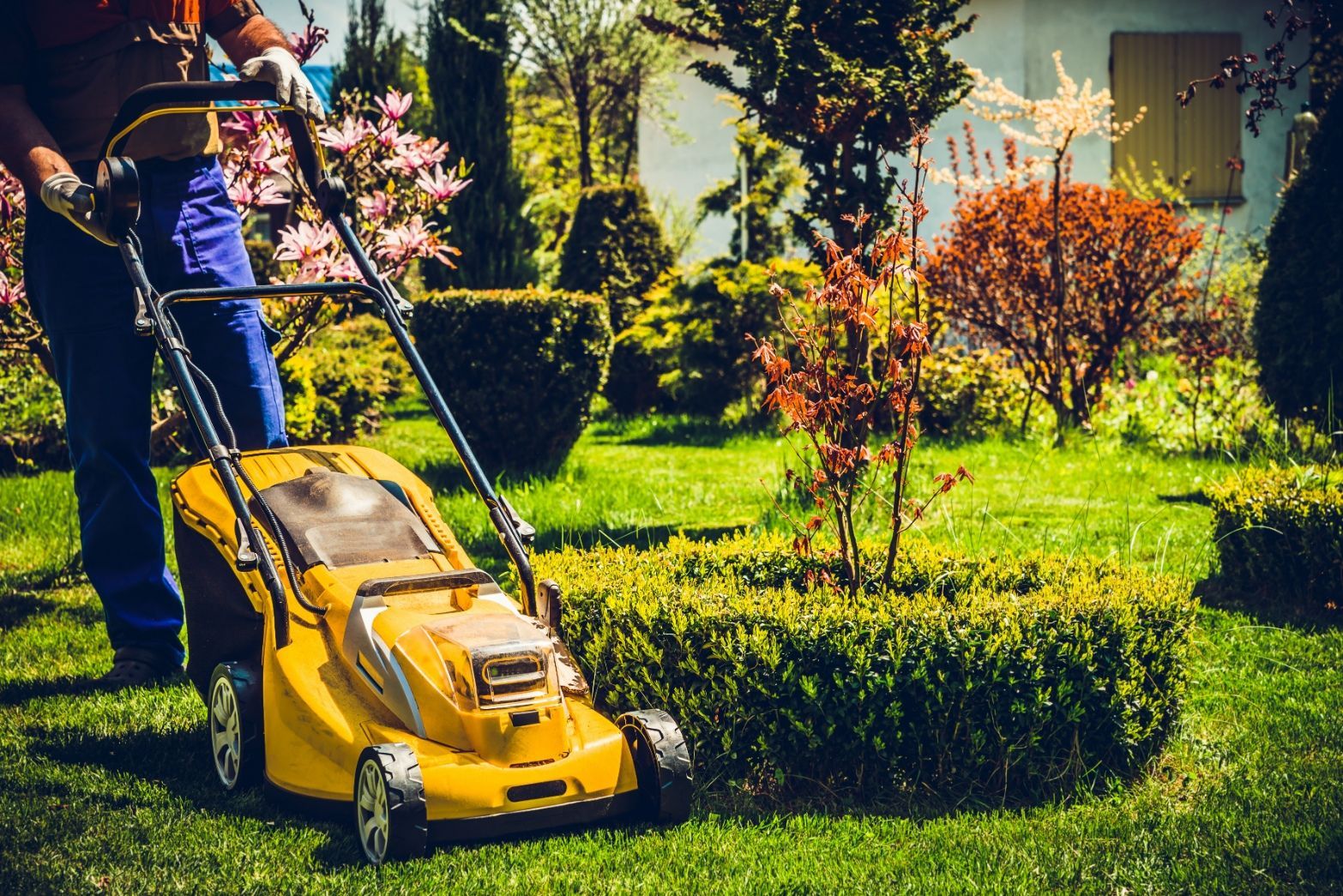
While fallen leaves can be a nuisance, they also offer nutrients to your lawn and garden. Use a mulching mower to shred them into smaller pieces, which can decompose quickly and benefit the soil.
Pruning and Trimming
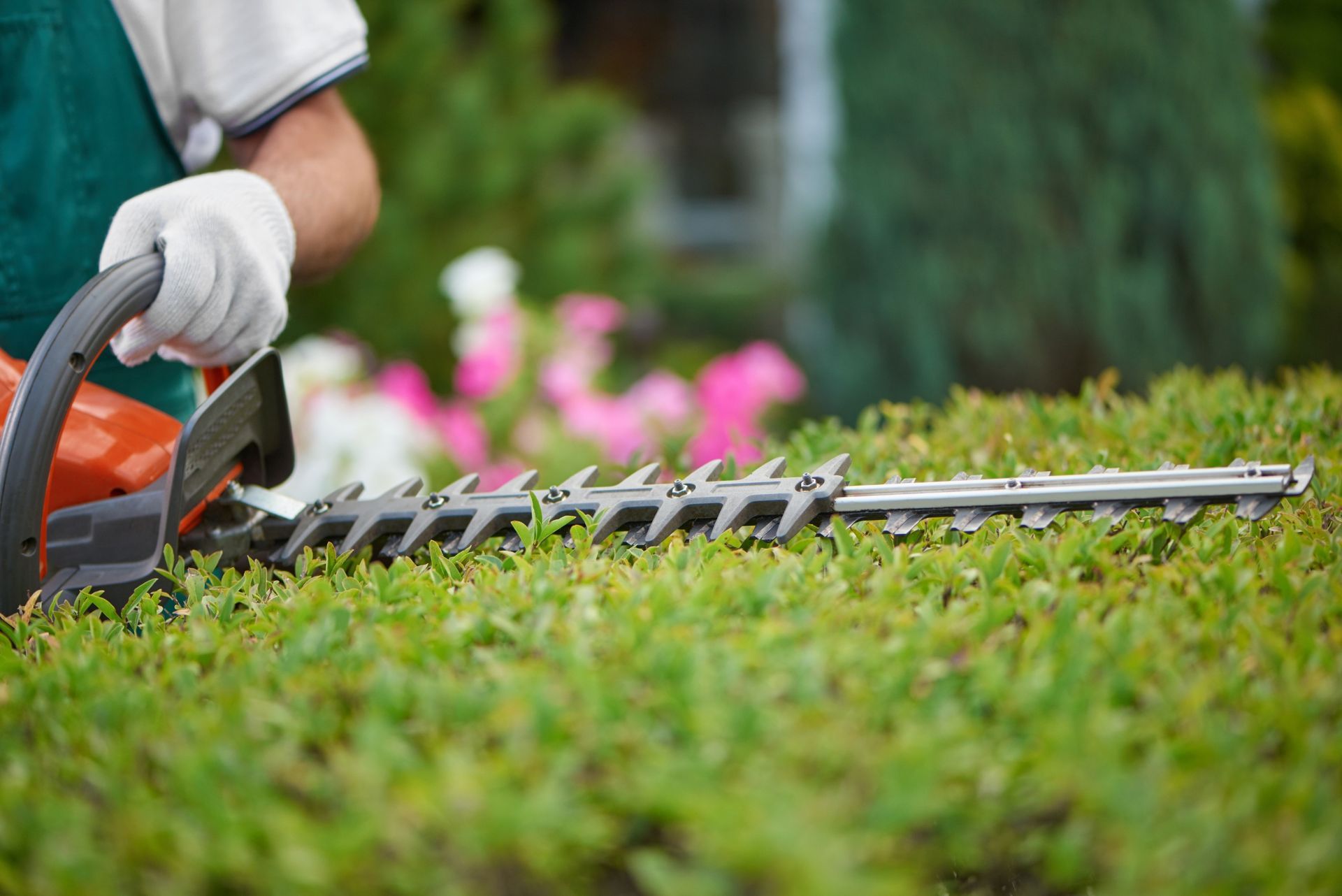
Fall is the time to prune trees and shrubs, removing dead or diseased branches to promote healthy growth in the spring. Be mindful of the types of plants you prune, as some, like spring-flowering shrubs, should be pruned after they bloom.
Planting Cool-Season Vegetables
Take advantage of the mild fall weather to plant cool-season vegetables like lettuce and broccoli. These can thrive in the cooler temperatures and provide fresh produce into early winter.
Winter: Protecting and Planning
Insulate with Mulch
In anticipation of cooler temperatures, add an extra layer of mulch around perennials and shrubs to insulate roots against frost, ensuring they remain healthy through the winter.
Plan for Next Year
Winter is the ideal time to reflect on your landscaping successes and challenges. Start planning for the next year by researching new plant varieties and designing improvements to your garden layout.
Maintain Tools and Equipment
Ensure your landscaping tools are in good shape for the upcoming year by cleaning, sharpening, and servicing them during the winter months. This helps extend the life of your equipment and ensures it's ready for the busy spring season.
Conclusion
By aligning your landscaping efforts with the seasons, Antelope homeowners can maintain beautiful, sustainable gardens throughout the year. Whether you're adjusting your irrigation in the spring or insulating plants in the winter, these timely considerations help your landscape thrive despite the challenges of a changing climate. For expert assistance or customized advice, reach out to Ries Landscaping, your local Antelope landscaping specialists.