Understanding Mulch: A Beginner's Guide
If you're a homeowner in Antelope, CA, looking to enhance your garden without a complete overhaul, mulch is your best friend. While it may seem like a simple layer of material, mulch serves multiple functions that are crucial for maintaining healthy landscaping. Let's break down the basics of mulch, why it's important, and how you can use it effectively.
What is Mulch and Why is it Important?
Mulch is any material spread over the surface of the soil as a covering. It's commonly made from organic materials such as wood chips, bark, or straw, but it can also be inorganic like gravel or rocks. Here’s why mulch matters:
- Moisture Retention: Mulch helps conserve soil moisture by reducing evaporation, crucial for the dry climate of Antelope, CA.
- Weed Control: A thick layer of mulch blocks sunlight, preventing weed seeds from germinating.
- Soil Insulation: It moderates soil temperature, keeping roots cooler in summer and warmer in winter.
- Nutrient Addition: Organic mulch decomposes over time, adding nutrients back into the soil.
Choosing the Right Mulch for Your Landscape
With various mulch options available, selecting the right type can be overwhelming. Here are some simple guidelines to help you choose:
Organic Mulch Options
- Wood Chips: Ideal for decorative purposes and paths. They break down slowly, providing long-term benefits.
- Bark: Comes in various sizes and colors, offering aesthetic flexibility while slowly enriching the soil.
- Straw: Great for vegetable gardens. It's inexpensive and breaks down quickly, adding organic matter to the soil.
Inorganic Mulch Options
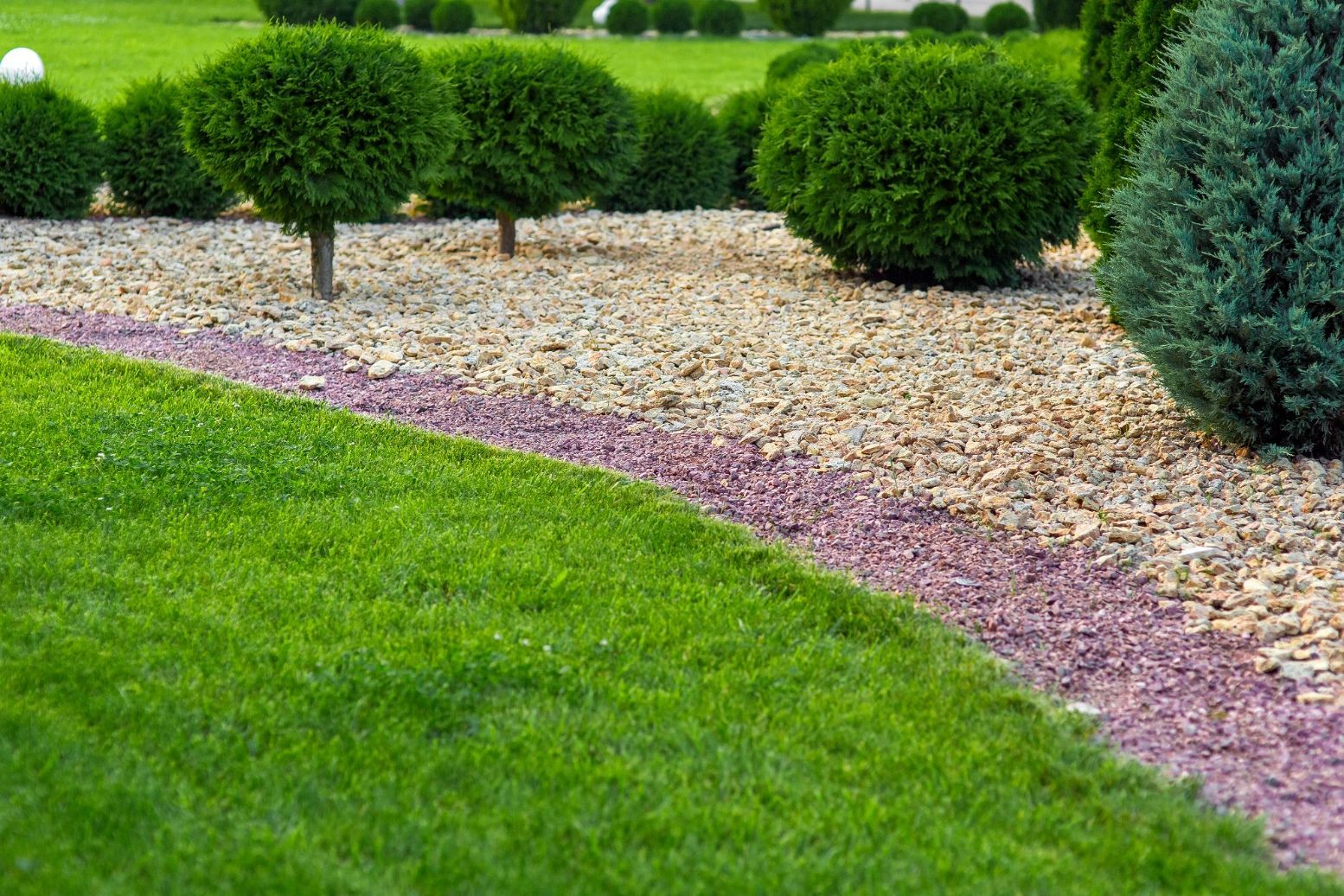
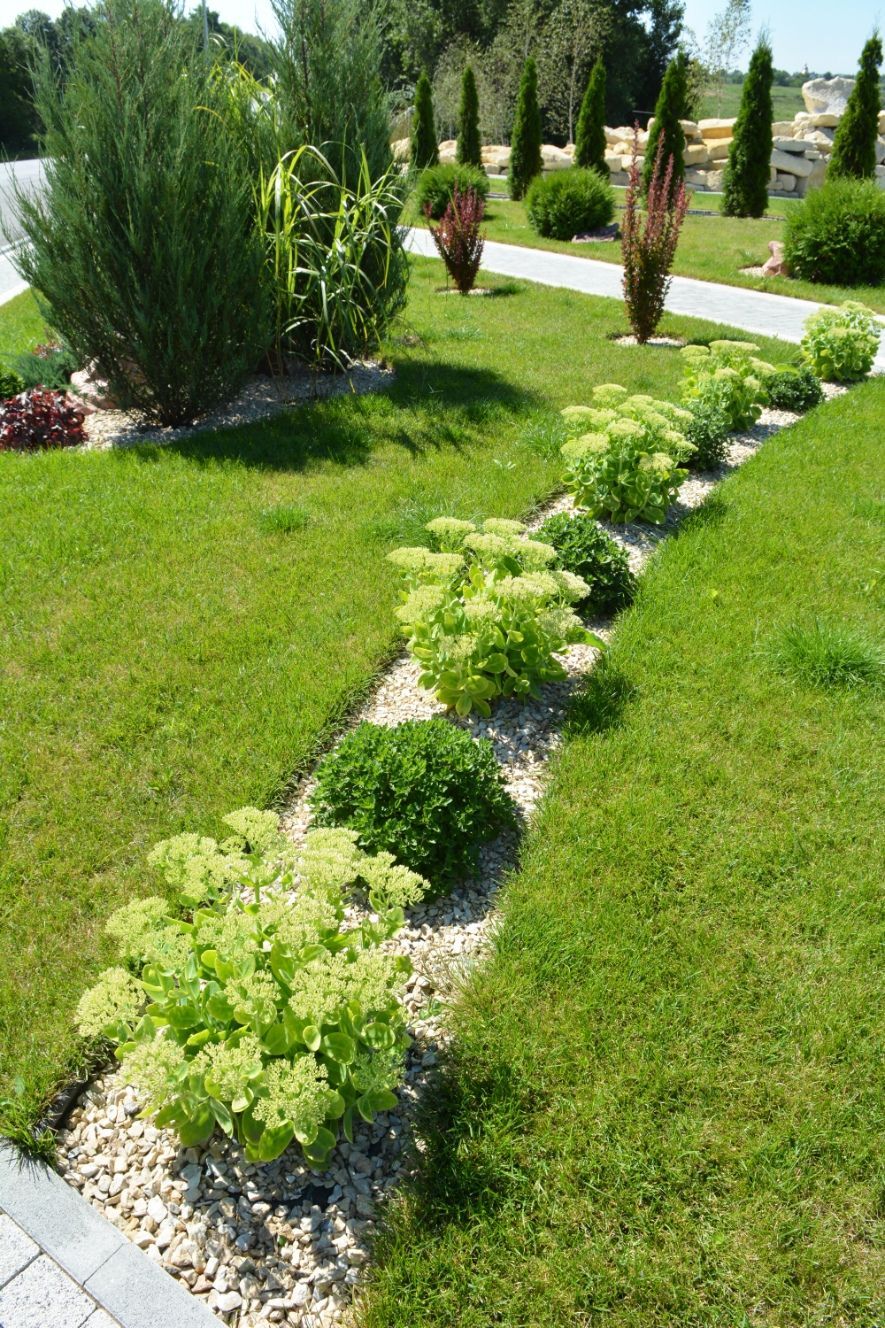
- Gravel: Durable and ideal for areas with heavy traffic. It doesn’t decompose, making it a low-maintenance option.
- Black Plastic: Excellent for heat-loving vegetables as it increases soil temperature, but it doesn't add nutrients.
How to Apply Mulch Effectively
Applying mulch correctly is key to reaping its benefits. Follow these simple steps:
Step-by-Step Application
- Prepare the Area: Remove existing weeds and debris to ensure the mulch lies flat.
- Layer Thickness: Apply mulch in a 2-4 inch thick layer. Too thin won't block weeds, too thick may prevent water from reaching the soil.
- Leave Space Around Stems: Keep mulch a few inches away from plant stems to prevent rot and pest issues.
Maintaining Your Mulch
Once you've applied mulch, regular maintenance ensures it continues to benefit your garden:
Regular Checks and Replenishment
- Monitor Thickness: Check the thickness of your mulch layer every few months and replenish as necessary, especially after heavy rainfall or wind.
- Avoid Compaction: Occasionally rake the mulch to prevent it from compacting, which can hinder water infiltration.
Local Considerations for Antelope, CA
Antelope's climate can be quite challenging with its hot summers and minimal rainfall. Mulch can be particularly beneficial here for its moisture retention properties. Consider using native plants that require less water and pair them with a suitable mulch to create a more sustainable landscape.
Conclusion: Mulch Your Way to a Better Garden
Mulch is a simple yet powerful tool in landscaping, especially suited for Antelope's climate. By choosing the right type and applying it correctly, you can significantly improve your garden's health and appearance. For more personalized advice, consider reaching out to local experts like Ries Landscaping, who can tailor solutions to your specific needs.
For more information on our landscaping services or to schedule a consultation, visit our website or call us today.